Mustard Seed discipleship mandate
Helping believers understand Scripture and grow closer to God.
Our mission is to help believers understand the scriptures more deeply and grow in their relationship with God. We are passionate about accurate interpretation of the Word and cultivating a life devoted to prayer.
Built around Word, prayer, and discipleship.
Featured devotionals
Start the day with Scripture that reaches real life.
Fresh devotional reflections are published to help you slow down, hear the Word clearly, and respond to God with obedience.

Today’s reading
Admit It and Deal With It Today
“In your anger do not sin: do not let the sun go down while you are still angry.” — Ephesians 4:26
A practical devotional on handling anger biblically before it quietly takes root.


Books and study resources
Resources for devotion, doctrine, prayer, and spiritual formation.
Mustard Seed books are created to help believers keep growing beyond a single article or sermon: through prayer devotionals, Bible studies, and discipleship resources available for purchase.
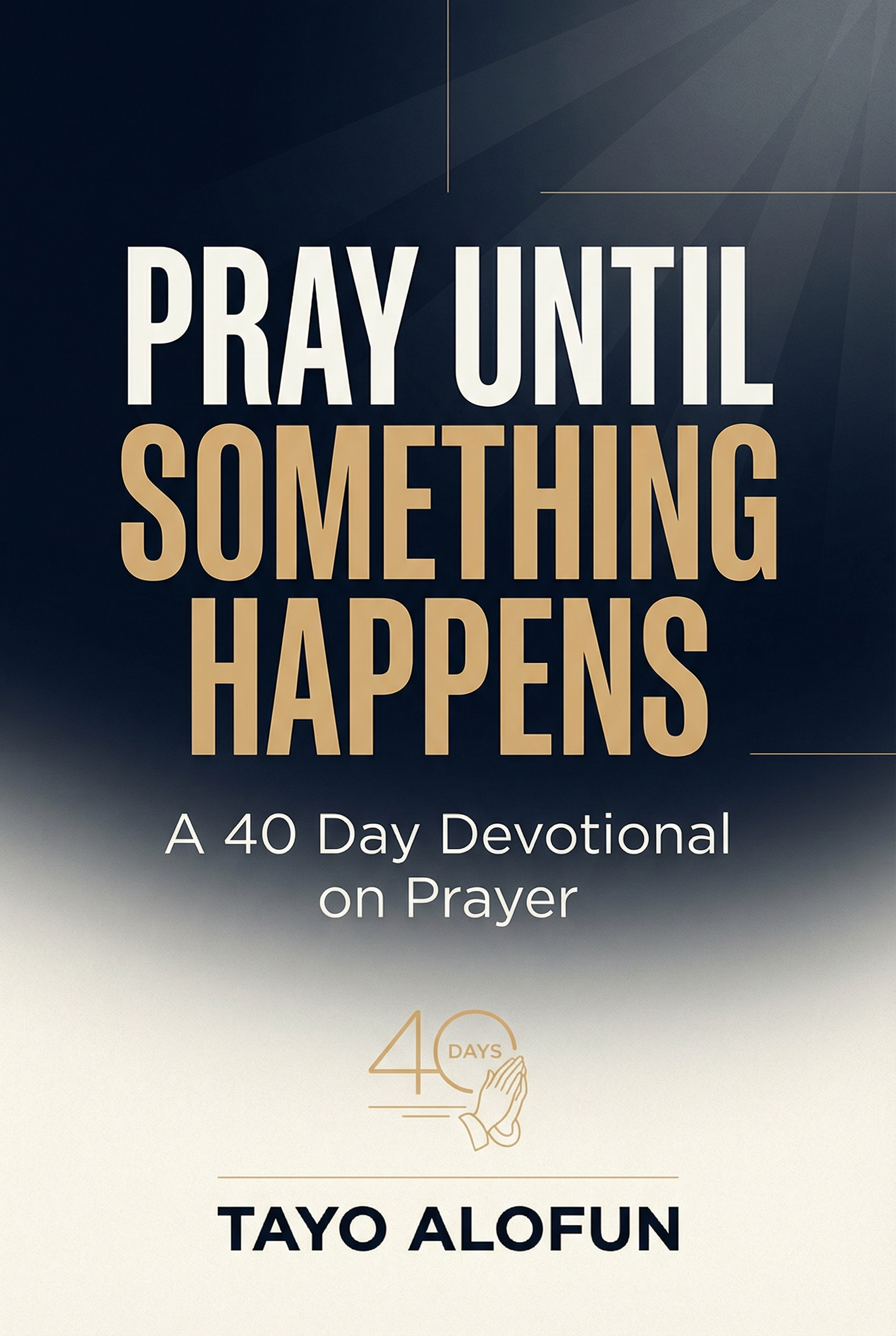
Pray Until Something Happens
A 40 Day Devotional on Prayer

Saved
Understanding God’s Greatest Gift

The Sweet Fellowship of the Spirit
A 40 Day Devotional on Intimacy with the Holy Spirit
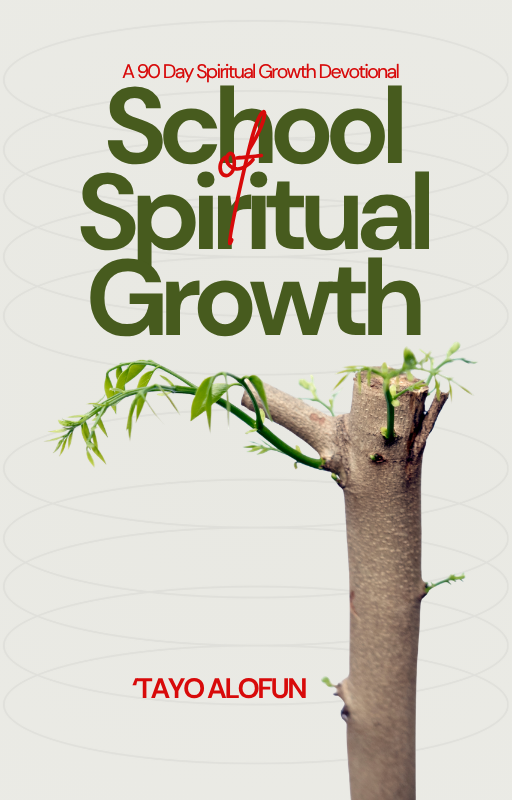
School of Spiritual Growth
A 90 Day Spiritual Growth Devotional
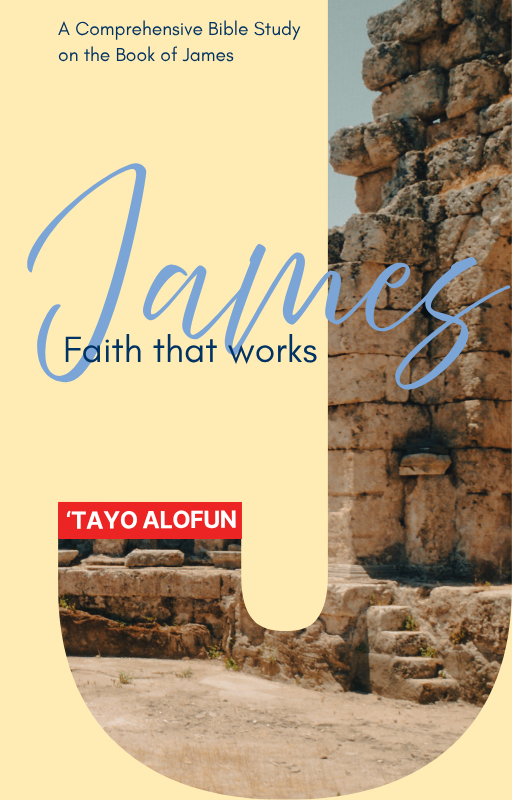
James: Faith that Works
A Comprehensive Bible Study on the Book of James

Timothy: Fight the Good Fight
A Comprehensive Bible Study on 1st Timothy

A Tongue on Fire
A Biblical Case for Speaking in Tongues

Rethinking Spiritual Warfare
A study resource for grounded spiritual discernment
Gather with us
Weekly rhythms for Word and prayer.
Discipleship is sustained by rhythm. Join us weekly as we study Scripture carefully and pray intentionally.
Fridays
Interactive verse-by-verse Bible Study
Every Friday at 6PM WAT, we gather to study the Bible carefully, ask honest questions, and learn how to handle Scripture with accuracy.
WAT
Mondays
Monday morning prayer meeting
Start the week in prayer every Monday at 5AM WAT as we seek God, align our hearts, and cultivate a life devoted to prayer.
WAT
Explore Mustard Seed
A simple path for deeper discipleship.
Grow deep roots in the Word and prayer.
Begin with a devotional, join the weekly Bible study, or start building a prayer rhythm with us this Monday.